
For a long time, I thought building stronger corporate partnerships meant building a better sponsorship packet. I assumed the answer was to add another benefit, create another level or find one more place to put a logo. Over time, I realized that wasn’t the real problem. Our sponsorship packet didn’t change nearly as much as our conversations did.
The more time we spent understanding the company in front of us, the easier it became to identify the right opportunity. We learned what mattered to their employees, what kind of involvement they were looking for and how they wanted to make a difference in the community. By the time we shared the sponsorship levels, we had usually already talked through which opportunity made the most sense. That changed how we approached corporate partnerships at The December 5th Fund.
Start with the company, not the packet
It is easy to begin a sponsorship conversation by walking through levels, benefits and prices. The problem is that every company is looking at the opportunity through a different lens. An HR leader may be thinking about employee engagement and what the volunteer experience will look like for the team. Someone leading a company foundation may be more interested in the family being helped, the work completed at the home and the support that continues after the Great Day is over.
Another company may care most about giving its employees a story they can share internally and feel proud to be part of. The sponsorship opportunity may remain the same, but the conversation should reflect what matters to the people sitting across from you. That does not mean rebuilding the package for every company. It means taking the time to understand the company before explaining the package.
Price the full value, not just the direct cost
Nonprofits often begin pricing by calculating how much a program costs to deliver. That is an important place to start, but it should not be where the calculation ends. When a company sponsors a Great Day, it is not simply paying for paint, landscaping materials, meals or a family experience. Our team is also managing the planning, volunteer coordination, communication, photography, media outreach and everything else required to make the day happen.
The company receives something valuable as well. Its employees get to serve together, see the difference their work made and leave with photos, stories and an experience they can continue sharing long after the day is over. In one pricing model we developed, we used approximately one and a half times the direct program cost as a starting point. That gave us room to cover the experience, account for the work happening behind the scenes and create revenue that could help us serve additional families.
It was not a universal formula for every partnership. It was simply a more thoughtful starting point than choosing a number that sounded reasonable or charging only enough to cover our expenses. A for-profit company would not price a service based only on the cost of materials. A nonprofit should not automatically do that either.
Let your best partners show you what matters
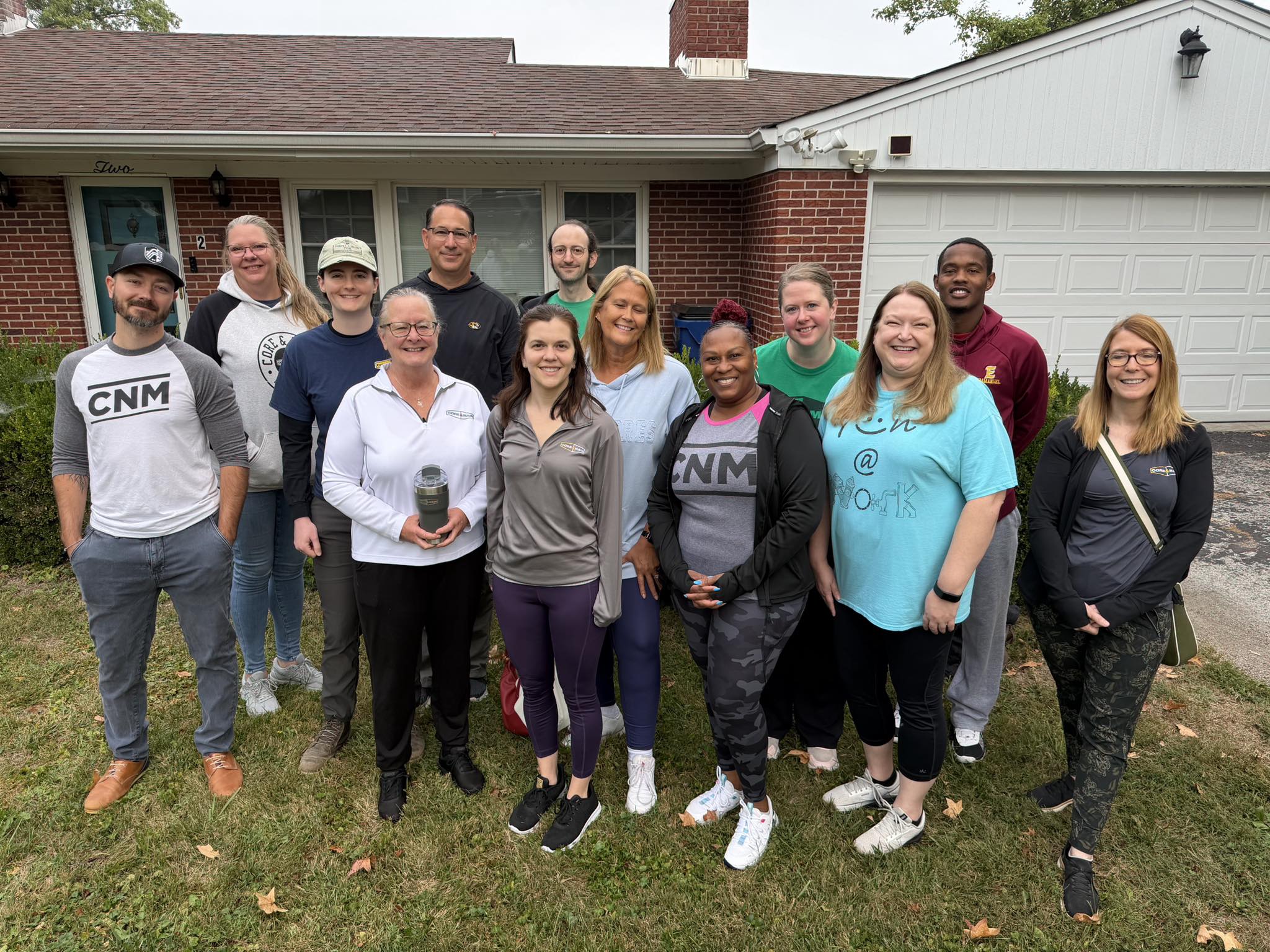
We did not learn the value of our sponsorships by sitting in a room and brainstorming more benefits. Our partners showed us through the parts of the experience their employees continued talking about, the stories they shared inside their companies and the fact that many returned to support another family. Over time, we became better at recognizing what they valued. They remembered serving alongside their coworkers, seeing the home change throughout the day and knowing that a family dealing with cancer came home to something better because their team showed up.
That feedback helped us strengthen the framework without constantly reinventing it. The tiers gave companies a clear place to begin, while the relationships helped us understand where the real value was. That is the lesson I would offer any nonprofit trying to build stronger corporate partnerships. Do not assume you need a more complicated sponsorship packet.
Start with better conversations, look honestly at the full value your organization creates and pay attention to what your best partners remember, share and come back for. Your sponsorship packet may not need to change nearly as much as you think. Your conversations might.